
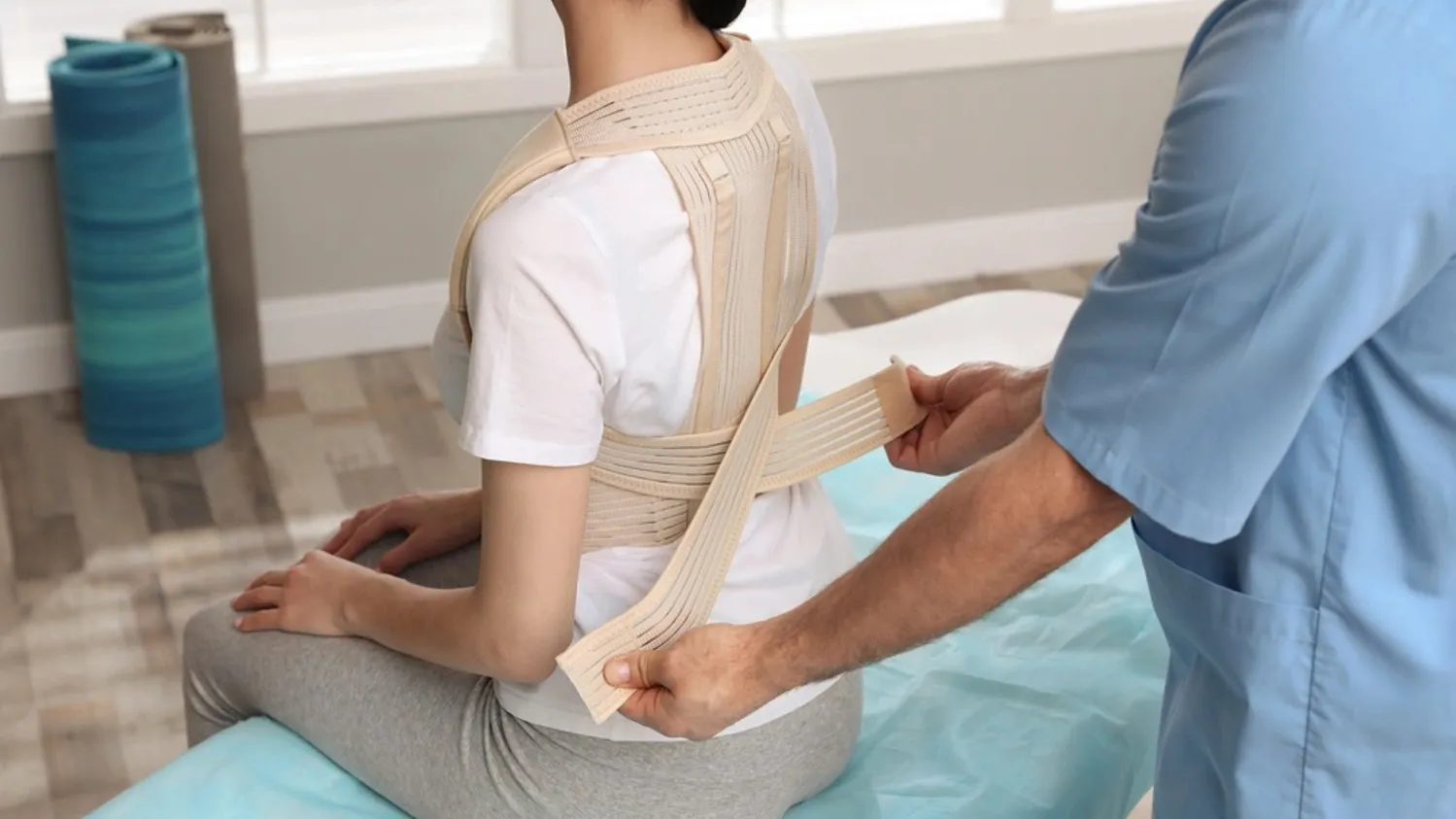
Be honest…
… how are you sitting right now? Slouched? Head forward? Shoulders rounded? Modern life isn’t kind to our posture. Long hours on laptops, constant phone use, and endless screen time slowly start to affect the way our bodies hold itself. Over time, these habits can lead to stiffness, discomfort, and visible posture changes.
But here’s the good news – you don’t have to stay stuck like this forever, though. With the right posture correction support, you can improve how you stand, sit, and move on a daily basis. The only real question is: which doctor or posture correction clinic should you actually visit for this?
Don’t worry – we’ll break it down in a simple way.
What Causes Poor Posture?
Poor posture doesn’t just happen overnight. It’s basically a mix of habits and lifestyle choices that slowly build up over time. Some common culprits are sitting for long hours, looking down at your phone 24/7, weak core and back muscles, lack of movement or exercise and… stress
When these habits stick around, your body adapts… and not in a good way. That’s when chiropractic manipulations become more of a necessity than a ‘maybe someday’ plan.
Which Doctor To See For Posture Correction?
Alright, here’s the big question. Who do you actually go to? Well, there isn’t just one answer, though. Different specialists focus on different parts of the problem, so let’s look at the lineup.
- Physiotherapist
Think of a physiotherapist as your movement coach. They don’t just look at your posture – they also figure out why it’s off. They’ll assess your muscle imbalances, movement patterns and flexibility issues while recommending exercises that actually work for your body. Beyond advice, physiotherapists at the posture correction clinic often create personalized rehab plans that help you fix posture step by step.
- Chiropractor Manipulations
Chiropractors – the spine experts – use chiropractic adjustments to align your spine, reduce joint restrictions and improve mobility. If your posture issues are related to spinal misalignment (which is super common), a chiropractor can make a big difference. Many people visit a clinic specifically for chiropractic care because it can provide quicker relief alongside long-term correction.
If you want to understand this better, you might find this helpful: “What Are the Benefits of Chiropractic Treatment?”
- Orthopedic Doctor
If your posture problems are causing serious pain… or are linked to injuries, an orthopaedic doctor might be the right choice. They deal with bone and joint conditions, structural issues and severe injuries. They might recommend imaging tests, medications… or even surgical options if needed.
- Occupational Therapist
Occupational therapists help you improve how you perform daily activities – sitting, working or even sleeping. They focus on ergonomics, habit correction and functional movement. So if your posture issues are caused by your daily routine (which, let’s be honest, they probably are), an occupational therapist can be incredibly helpful. They often work alongside teams at a posture correction clinic to create practical, real-life solutions.
- Fitness Trainer / Posture Specialist
Sometimes, what you really need is better movement and strength. A qualified trainer or posture specialist can teach proper exercise form, strengthen posture-supporting muscles and help prevent future issues. These options work best if your posture problems are mild or if you’re already active. Also, combining fitness training with chiropractic manipulations at a clinic can give better results.
5 Signs You Need Professional Help
Not sure if it’s time to see a specialist? Here are some signs your posture needs more than just ‘sitting up straight’ reminders:
- Constant neck or back pain.
- Frequent headaches.
- Stiffness or limited movement.
- Rounded shoulder or forward head posture.
- Pain that gets worse after sitting or standing.
If you’re nodding along to these, it’s probably time to check it out at a clinic.
How To Choose The Right Specialist
Here’s a quick and simple breakdown to help you decide.
| Situation | Best Specialist |
| Muscle weakness or imbalance | Physiotherapist |
| Spinal misalignment or stiffness | Chiropractor |
| Severe pain or injury | Orthopedic Doctor |
| Poor daily habits or ergonomics | Occupational Therapist |
| General fitness & posture improvement | Fitness Trainer |
Pro tip: You don’t always have to choose just one option—many clinics combine different treatments for better results. In fact, a good posture correction clinic often offers multiple therapies under one roof to support more effective recovery.
Read more at: “Which Doctor Should I See for Back Pain?”
5 Tips To Improve Posture At Home
While professional help is great, there’s a lot you can do on your own, too. Here are some simple tips:
- Sit Like You Mean It
Keep your back straight, shoulders relaxed… and also feel flat on the floor. Avoid crossing legs and keep knees at a 90-degree angle, level with or slightly higher than your hips.
- Take Breaks
Stand up, stretch and walk around – your body isn’t designed to sit for hours. Avoid long, static sitting periods. Take “movement snacks” or short walks every 30–60 minutes.
- Strengthen Your Core
A strong core = better posture. Incorporate simple exercises like planks, bird-dog, or glute bridges at home to build back-supporting muscles.
- Adjust Your Workspace
Your screen should be at eye level. Use a chair that supports the lower back’s natural curve and also add a rolled-up towel for lumbar support.
- Be Mindful
Posture is a habit – the more you notice it… the better it gets. Use reminders, like sticky notes on your monitor or phone alarms, to check your posture and “reset” if you are slouching.
These small changes, combined with visits to a posture correction clinic can make a huge difference.
For Your Information: “How Often Should I Visit a Wellness Clinic?”
Ready to Stand Tall Again?
Let’s face it – poor posture doesn’t just affect how you look, it also affects how you feel. From constant aches to low energy, it can quietly impact your daily life. The good news? You don’t have to figure it out alone. Whether it’s a physiotherapist, chiropractor, or occupational therapist – getting the right help can completely transform your posture and your confidence.
If you are tired of slouching, dealing with pain… or just not feeling your best, it’s time to take action.
Dr. Sandhar Wellness offers expert care, including advanced chiropractic manipulations, personalized posture correction plans… and a friendly approach that actually makes you want to show up.
FAQs
- Does posture affect the vagus nerve?
Yes, posture does affect your vagus nerve – the one that regulates heart rate, digestion and mood. Also, forward head carriage and slumped shoulders can irritate or compress the nerve as it exits the brainstem, leading to low vagal tone, reduced heart rate variability, anxiety, and digestive issues.
- Can you correct years of bad posture?
Yes, you most certainly can. You can do this by focusing on strengthening the upper back, shoulders, and core while stretching tight chest and neck muscles. You can reverse slouching, often within a few months of daily practice at a posture correction clinic.
- How many inches do you lose by slouching?
Slouching can lead to a temporary loss of around 1 to 2 inches in height. Because it leads to a compressed spine, rounded shoulders and a forward head position which reduces your visible stature. Visit Dr. Sandhar Wellness clinic to correct your posture.
- What diseases are associated with poor posture?
Poor posture usually causes chronic musculoskeletal conditions like chronic back/neck pain, degenerative disc disease and also herniated discs. It also contributes to postural kyphosis, scoliosis, tension headaches and nerve compression.
- Can anxiety cause poor posture?
Yes, anxiety can lead to poor posture by causing muscle tension in the neck, shoulders and back, often making you hunch or slouch. It also encourages shallow breathing and closed-off body positions which reinforce bad posture habits. Over time, this creates a cycle where poor posture and anxiety feed into each other.