
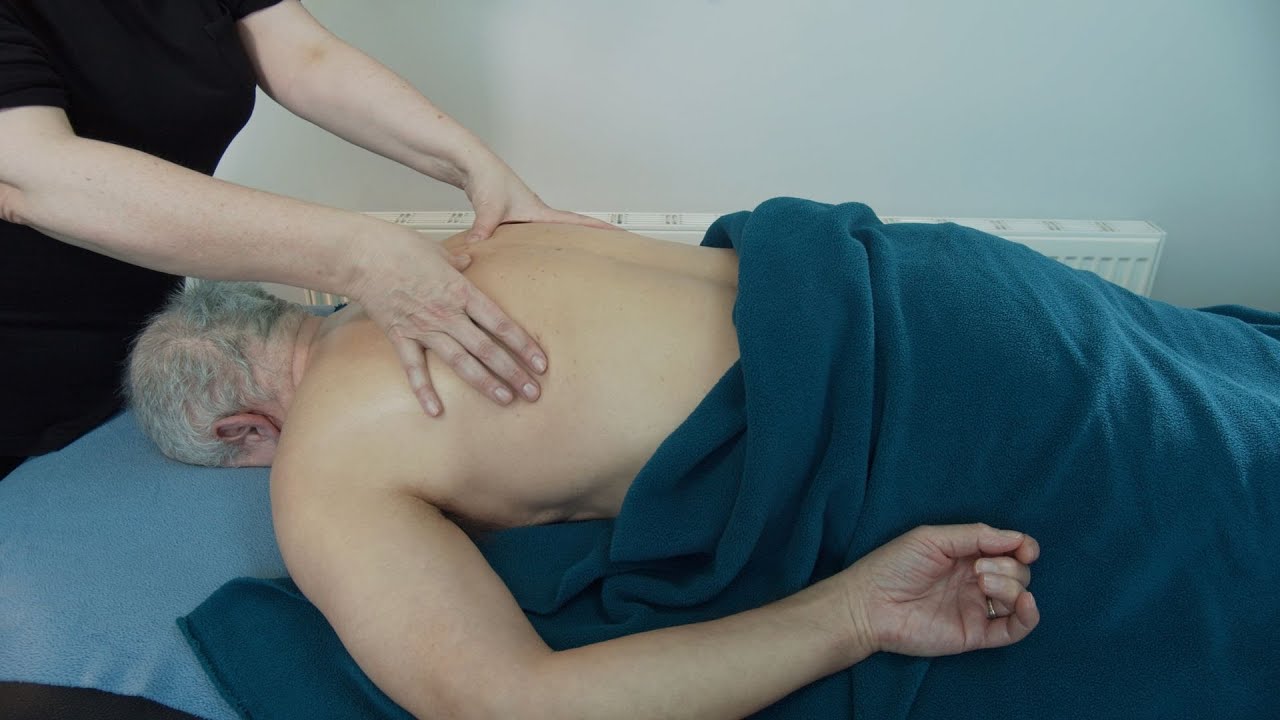
“Can a medicine be my only way out of spinal discomfort?”
“Or… do I need something more effective than numbing down the pain?”
These are only renditions of the thought patterns that patients suffering from scoliosis commonly have. Experts who deal with spinal deformities can understand the pain you face every single day. Considering how difficult it is to face this progressive condition — it’s important to seek scoliosis therapy from a trusted chiropractor.
Of course, leaving this condition untreated isn’t an option either. It’ll only stretch out the time this condition makes life more challenging for you.
Asymmetrical morning stiffness on one side, persistent back soreness, and extreme fatigue in the legs as you go for a stroll in Brampton — it’s no surprise how downhill basic quality of life can go with this route.
So, if you wish to better manage your condition, keep reading the blog below!
The Effectiveness of Scoliosis Therapy by Chiropractors in Brampton
When it comes to finding the right treatment for a chronic condition, one thing is for sure. Your phone will be flooded with ads. Though the real question is — would any of them be as effective as they claim to be? We don’t think so.
Admitting it for once — it’s difficult to navigate through your options when you’ve already so much on your plate. But here’s the deal. You wouldn’t really know the effectiveness of anything until you’ve had convincing results to support the claim. So when it comes to assessing the effectiveness of chiropractic manipulations for scoliosis, it’s hard not to get positive results.
Needless to say, the chiropractic approach to scoliosis at a reputable posture correction clinic involves non-invasive methods for pain management, mobility improvement, and prevention of curve progression. The treatment is often a combination of spinal adjustments and exercises to address postural misalignment.
It’s effective in the following ways:
Aspect |
Effectiveness of Chiropractic Scoliosis Therapy |
|
| 1. |
Pain reduction |
Supports reduction in discomfort from scoliosis by relieving pressure on spinal nerves and muscles through manual adjustments & manipulations. |
| 2. |
Slowing down spinal curve progression |
Stabilizes and may help manage symptoms and support spinal alignment in adolescents, while managing the symptoms of adult degenerative scoliosis. |
| 3. |
Postural improvement |
Aids in realigning the spine for postural correction and minimizing additional chances of deformity. |
| 4. |
Ease in mobility |
Enhances joint mobility and muscle flexibility, which improves movement and reduces stiffness. |
| 5. |
Non-invasive management |
Acts as a safe, non-invasive, and drug-free alternative for pain management, often resulting in either avoidance of or delaying the need for a surgical procedure. |
| 6. |
Targeted techniques |
Utilizes specific, targeted techniques — such as the Activator, Gonstead, & Flexion Distraction — and other tailored exercises for spinal comfort. |
| 7. |
Body’s compensatory misalignment reversal |
Aims to correct the body’s compensatory (affected) misalignment, which stemmed from the condition of scoliosis.
This may include:
|
| 8. |
Improvement in quality of life |
Better functional mobility & decreased reliance on pain medication. |
Trusting mere words without supporting evidence for scoliosis therapy is the same as willingly being in the dark. For someone with a sound mind, it wouldn’t be the best approach to rely on something simply based on advice.
So… to steer clear of that, how about we look at some stats?
What Do the Statistics Say About the Prevalence of Scoliosis in ON?
A 2013 study based on the Canadian population (available on the website of the National Institutes of Health) discusses how 20% of the patients reporting to primary-care or emergency rooms indicate musculoskeletal discomfort — with chiropractors being the primary healthcare professionals to attend to their concerns.
From this, the prevalence of scoliosis ranged between 10% to 37% of the patients. Here, chiropractors were required to treat 85% of the existing patients with scoliosis.
In another Canadian, yet Ontario-based study from 2020, it’s reported that for an institution making an average of 800 referrals per year (related to spinal pathology), approximately 40% of such patients are diagnosed with Adolescent Idiopathic Scoliosis (AIS).
(To read more into the details, you can take a look at this blog: How Scoliosis Therapy Improves Posture and Reduces Pain.)
Chiropractic Manipulations for Scoliosis: How Do They Work?
It’s one thing to know about the effectiveness of a treatment method — it’s another to understand how it works. The spinal manipulation techniques involved in scoliosis therapy at a reputable posture correction clinic work with precise and controlled force applied to the misaligned vertebrae.
The primary aim of this approach is to reduce the pain that comes with the condition of scoliosis while improving spinal function. And so, instead of simply attempting to cure the abnormal curvature itself, such spinal adjustments are paired with personalized exercises to help increase joint mobility, decrease nerve tension, and improve postural alignment.
Here’s how the treatment unfolds:
Technique |
How the Technique Works |
How It Benefits Scoliosis |
|
| 1. |
Drop-Table (Thompson) |
Employs the use of gravity and momentum through quick, dropping table sections during a thrust. | Provides gentle, low-force adjustments to the misaligned spine. |
| 2. |
Flexion-Distraction |
Gently pumps, stretches, and flexes the spine. | Increases spinal movement & reduces pressure on spinal discs. |
| 3. |
Mirror Image Traction |
Applies calculated force opposite to the spinal curve to even out the misalignment. | Helps stretch and retrain structural abnormalities. |
| 4. |
Manual Adjustment |
Involves using targeted, hand-applied force to vertebral misalignment. | Restores motion to joints while reducing neuromuscular pain. |
Additional: If you want more details on how the chiropractic approach works to treat back pain, you might be interested in this blog, What Methods Do Chiropractors Use to Treat Back Pain?
What Happens If a Patient Leaves Their Condition Untreated?
Too often, people diagnosed with chronic conditions resort to a hopeless & pessimistic mindset — believing nothing could help reduce their pain. But the thing is, choosing to leave scoliosis untreated will only make the symptoms worse.
To understand it better, spare a look at some of the consequences occurring in the absence of a timely decision.
- Growth spurts in children can rapidly trigger the progression of deformity.
- Spinal abnormality curves worsen in adults due to degeneration.
- The spine becomes unstable due to mechanical stress.
- Nerve compression can lead to numbness, tingling, or radiating pain.
- In extreme cases, scoliosis compresses the chest cavity, restricting lung capacity & heart functionality.
- Lack of treatment often leads to early onset of arthritis, spinal stenosis, and spondylosis.
- Uneven shoulders & hips, rib hump can lead to poor mobility, emotional distress & fatigue.
It’s important you realize the crucial need for effective scoliosis therapy through a trusted posture correction clinic.
Think Smart, Choose the Effectiveness of Chiropractic Therapy
No matter how much you struggle in life — you can always remain optimistic. As a matter of fact, you don’t need to settle for the countless inconveniences that the condition of scoliosis brings you.
Just imagine what you can accomplish with the right scoliosis therapy from a trusted chiropractor. Mornings with reduced stiffness, improved posture, enhanced breathing, & a heightened sense of confidence — nothing compares to a good chiropractic treatment.
Chiropractors are specialized experts who know their way around spinal misalignment & chronic pain. So if you’re still in the middle of finding a posture correction clinic for your condition, you’re just at the right place.
At Dr Sandhar Wellness, experts specialize in treating postural dysfunction to deliver results by reducing discomfort and retraining your body to move the way it was truly meant to.
Want to get more details? Feel free to check out this page.
FAQs
1. Is it okay to leave scoliosis untreated?
It can be extremely dangerous to leave your scoliosis untreated for a prolonged time period, as it can easily result in the progression from a moderate case to a severe one. Chiropractic experts and healthcare professionals note ignorance can lead to:
- Chronic pain
- Severe spinal deformity
- Ribcage compression
- Reduced lung capacity
- Heart-related complications
2. When is it too late to treat my condition of scoliosis?
It’s never too late to seek treatment for scoliosis. While early detection and chiropractic treatment have their own benefits, the right professional can always help you better manage the symptoms of your condition.
3. How do chiropractors fix & adjust scoliosis?
The treatment approach that chiropractors usually opt for is non-invasive. It involves specialized adjustments and exercises aimed at reducing pain intensity, bettering posture, and improving spinal mobility — simultaneously.
4. What is the frequency of visits to a chiropractor for scoliosis treatment?
The frequency of visits to a chiropractor for the treatment of scoliosis depends either on the age group of the patient or the progression phase/severity of their condition. The usual timeline for each category is:
- Initial intensive care → 2 or 3 sessions per week
- Maintenance phase → 1 or 2 sessions per month
- For adolescents → 2 or 3 sessions per week
- For adults → depends on the chiropractor’s opinion
5. What organ is the most affected by scoliosis?
The most commonly affected organ in scoliosis is the lungs. The condition results in severe curves in the upper back region, which causes the chest wall to restrict, compress, and reduce lung capacity — in extreme cases, affecting the heart & digestive organs.