
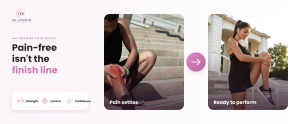
Getting back to your favourite sport after an injury isn’t always as easy as it sounds. even when the pain is gone. You might feel fine walking, climbing stairs or doing everyday things, but running, jumping or turning can still feel uncomfortable.
That feeling can be frustrating. You want to move like you used to, but your body doesn’t seem ready yet. Sometimes, you even hesitate before making movements that once felt completely natural. Feeling better doesn’t always mean your body has fully recovered.
That’s why performance focused rehabilitation matters. It helps rebuild the strength, balance, movement and confidence you need to return to your sport safely. Instead of stopping treatment when the pain settles, it prepares your body for the movements you actually perform during training or competition.
So, what happens during this type of recovery? Let’s look at how it works, why movement matters, how exercises gradually become harder, and what signs suggest you’re getting closer to returning to your sport. If you’re recovering from an injury, Dr. Sandhar Wellness also offers sports injury treatment in Brampton using hands-on therapy and movement-based rehabilitation.
Why Athletic Recovery Requires More Than Pain Management
Pain management helps reduce discomfort, but complete recovery involves much more than feeling pain-free. An injury can leave your muscles weaker, joints stiffer and movements less controlled. You may not notice these changes while walking around, but they can become obvious when you start running, jumping or moving quickly again.
For example, a sprained ankle, pulled hamstring or sore shoulder can change how you move without you even realizing it. Your body may start putting extra pressure on another muscle or joint to protect the injured area. These small changes can stick around. even after the pain disappears.
The goal of rehabilitation is to restore your normal movement and prepare your body for the physical demands of your sport. Think about hockey, cricket or soccer. You need to sprint, stop suddenly, change direction, land safely and keep moving when you’re tired. Being pain-free doesn’t mean you’re ready for all that.
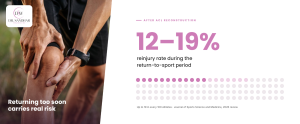
Research supports this, too. A 2026 systematic review and meta-analysis published in the Journal of Sports Science and Medicine notes that reinjury rates during the return-to-sport period after ACL reconstruction can reach 12 to 19%. Returning to sports involves several factors, including strength, movement and readiness, as explained in the full research paper.
5 Physical Performance Areas Targeted During Rehabilitation
Performance-focused rehabilitation works on more than the injured body part. It helps rebuild 5 important physical abilities that allow you to move, perform and handle the demands of your sport. Each area plays a different role, but they work together to help you feel stronger and more prepared.
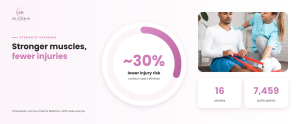
Research also supports strength training as part of injury prevention. A 2025 meta-analysis covering 16 studies and 7,459 participants in the Orthopaedic Journal of Sports Medicine found that strength training reduced injury risk by about 30% among contact-sport athletes compared with control groups.
These 5 physical areas work together during recovery, and each one helps your body handle a different part of the game:
- Muscle Strength: Strong muscles support your joints and help you push, jump, sprint and lift without putting unnecessary stress on the injured area.
- Joint Stability: Stable joints help you control your movements when landing, turning, changing direction or dealing with sudden contact.
- Functional Mobility: Comfortable movement through your joints’ full range helps you perform sport-related movements without stiffness or unnecessary restrictions.
- Balance Control: Better balance helps you stay steady when moving on uneven surfaces, changing direction or reacting to unexpected movements.
- Muscular Endurance: Your muscles need to keep working when you’re tired. especially during the final minutes of a match or training session.
How Movement Quality Influences Athletic Recovery
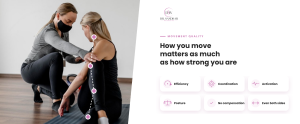
Strength is important, but how you move matters just as much. Two athletes may have similar strength levels, yet one moves smoothly while the other struggles with balance, timing or control. These small differences can affect how your body handles pressure during sports.
Movement quality refers to how your body controls and coordinates different muscles and joints during an activity. After an injury, some muscles may not work as well as before, while others start doing extra work. This can make certain movements feel awkward or uncomfortable. even when you’ve regained strength.
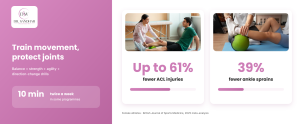
Research highlights why these movement skills matter. A 2025 meta-analysis published in the British Journal of Sports Medicine found that neuromuscular training programmes combining balance, strength, agility and direction-changing exercises can reduce ACL injuries by up to 61% and ankle sprains by 39% in female athletes. Some programmes used only 10 minutes of training, twice a week.
But what does good movement actually look like during recovery? There are a few things your practitioner pays attention to as you start moving again:
- Movement Efficiency: Moving smoothly helps you use less energy and avoid putting unnecessary pressure on healing muscles and joints.
- Joint Coordination: Your hips, knees, ankles and shoulders should work together instead of making one area handle too much stress.
- Muscle Activation: Muscles need to switch on at the right time. but an injury can sometimes make them slower or less active.
- Postural Control: Good posture and body control help you stay balanced while moving. Posture correction may also help address movement-related problems.
- Compensatory Movements: Leaning away from a sore shoulder or favouring one leg can place extra pressure on other parts of your body.
- Biomechanical Imbalances: Differences in flexibility, strength or movement between your two sides may affect how comfortably and safely you perform.
The Role of Progressive Loading in Rebuilding Athletic Capacity
Your body needs time to adjust to exercise again. but that doesn’t mean you should avoid activity throughout recovery. Progressive loading means slowly increasing the difficulty of your exercises as your body gets stronger. This helps your muscles, tendons and joints handle more physical work without pushing them too hard, too soon.
The balance matters. Doing too little may leave you unprepared for your sport, while increasing exercise intensity too quickly can bring back pain or cause another setback. Rehabilitation needs to challenge your body gradually, with each step building on the progress you’ve already made.
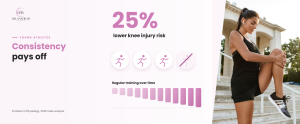
Research supports gradual, consistent training, too. A 2025 meta-analysis published in Frontiers in Physiology found that training interventions reduced knee injury risk by 25% among young athletes, with better results linked to regular training over time.
Rehabilitation generally moves through different stages, depending on your injury, progress and physical needs.
Initial Physical Conditioning
The first stage focuses on restoring comfortable movement and rebuilding basic strength. Your body may still feel stiff, weak or unsure after an injury, so exercises begin at a level you can manage without placing too much stress on the healing area.
This stage might not feel like serious athletic training yet. but it gives your body the foundation it needs before more challenging movements are introduced.
During this stage, your exercises are usually simple and gentle. Your recovery plan may include:
- Gentle range-of-motion exercises help you move the injured area more comfortably.
- Light muscle activation exercises help muscles become active again after injury.
- Basic balance exercises improve stability and control.
- Hands-on manual therapy may help reduce tightness and make movement easier.
Progressive Strength Development
Once your movement becomes more comfortable and controlled, rehabilitation starts focusing on building strength and improving how much work your body can handle. Exercises become slightly harder, resistance increases gradually, and your injured muscles begin preparing for more demanding activities.
You may start feeling stronger during this stage. but that doesn’t mean you should jump straight into full training. Your progress needs to be steady enough for your body to handle each new challenge.
As your body gets stronger, your exercises begin to challenge you a little more. Here’s what that may involve:
- Resistance exercises gradually increase the strength your muscles and tendons can handle.
- Single-leg and single-arm exercises help identify and improve differences between both sides.
- Controlled movements help you build strength without losing proper form.
- Your exercise plan changes according to how your body responds between sessions.
Advanced Physical Conditioning
The final stage brings your rehabilitation closer to the movements you perform in your sport. Your body starts practising speed, power, agility and control so you’re better prepared for the demands of training and competition.
This is where exercises become more challenging. because running, jumping, landing and reacting quickly all require your body to work together.
To prepare for these demands, your rehabilitation may gradually include exercises such as:
- Jumping and hopping exercises rebuild explosive strength and improve landing control.
- Agility drills prepare you for quick turns, stops and changes in direction.
- Conditioning exercises help you maintain proper movement when tired.
- Sport-related drills help prepare you for returning to regular training and play.
Matching Rehabilitation Exercises With Sport Specific Demands
Your rehabilitation exercises should match the movements your sport requires. because running, jumping, throwing and turning all place different demands on your body. The closer your exercises match your sport, the better prepared you can be for returning to those activities.
For runners, rehabilitation may focus on improving running form, sprinting mechanics, hip movement and how your feet absorb impact. If you’re dealing with lingering foot pain, your exercises may also focus on improving foot strength, stability and comfortable movement.
Basketball and volleyball players need good jumping and landing control. Their rehabilitation may include exercises that help keep their knees steady, improve hip strength and teach them how to land safely. Soccer, hockey and racquet sports also require quick direction changes. so practising how to slow down, turn and push off becomes important.
Sports involving twisting, swinging or throwing need a different approach. Rotational movements in golf, baseball or cricket require your hips, core and spine to work together. Upper-body sports also need strong, stable shoulders, which is why rotator cuff injury therapy may be part of recovery for athletes dealing with shoulder problems.

If your injury involves your knee, your rehabilitation may need extra attention to twisting, pivoting and landing. A plan for meniscal tear rehabilitation can help rebuild the strength and movement control needed for these activities before you return to sport.
Sport specific coordination is another important part of recovery. Think about catching a ball while running, moving around an opponent or changing direction when something unexpected happens. These movements require your eyes, brain and body to work together. not just strong muscles.
That’s why good rehabilitation doesn’t stop when you can perform an exercise correctly in a quiet room. It gradually introduces faster movements, reactions and sport-related challenges, helping you feel more comfortable when you return to the field, court or training area.
How Performance Monitoring Helps Guide Rehabilitation Progress
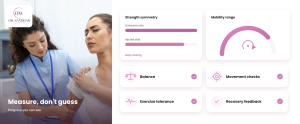
Rehabilitation shouldn’t rely on feelings alone. You might think you’re getting stronger, but how can you tell whether your injured side is keeping up with the other? Performance monitoring helps measure your progress, making it easier to understand what’s improving and what still needs attention.
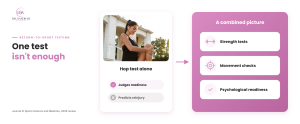
A 2026 review in the Journal of Sports Science and Medicine found that hop test results are more useful for judging return-to-sport readiness than predicting reinjury. That’s why rehabilitation may combine strength tests, movement checks and psychological readiness instead of relying on just one result.
Your practitioner can use a few simple checks to see how your body is responding and whether you’re ready to take things a step further:
- Strength Assessments: Comparing both sides helps identify strength differences that may still affect your performance.
- Mobility Measurements: Tracking how far your joints move shows whether stiffness is improving or still limiting you.
- Balance Testing: Single-leg balance checks help measure how well you control the injured side.
- Functional Movement Checks: Squats, lunges and landing exercises show whether you move smoothly or rely on other muscles to compensate.
- Exercise Tolerance: Your ability to handle exercise without pain or a flare-up afterwards helps guide the next step.
- Recovery Feedback: Your soreness, energy levels and confidence provide useful information about how your body is responding to training.
5 Signs an Athlete Is Regaining Physical Readiness
Getting closer to your sport isn’t about reaching one perfect moment. it’s about noticing several improvements that show your body is becoming stronger, steadier and more comfortable with movement. The goal is to regain control and confidence without forcing your recovery.
These 5 signs may suggest you’re moving in the right direction, although your practitioner should still assess whether you’re ready for full activity.
As your recovery moves forward, you may start noticing these changes in the way you move, train and feel:
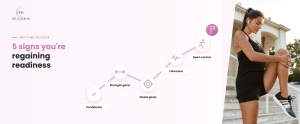
- Improved Movement Confidence: Jumping, turning and loading the injured area feel more natural, and you’re no longer constantly worried about making the movement.
- Consistent Strength Gains: Your strength improves over time, and differences between your injured and uninjured sides become smaller.
- Better Joint Stability: Your joints feel more controlled during exercise without unwanted wobbling or giving way.
- Increased Exercise Tolerance: You can complete more challenging sessions without your symptoms getting worse afterwards.
- Controlled Sport Specific Movements: Sprinting, landing, throwing or changing direction feels smoother, more balanced and easier to control.
Get Expert Sports Injury Treatment to Support Your Athletic Recovery With Dr. Sandhar Wellness!
Getting back to sport after an injury can feel like a long road. especially when you’re doing everything you can but still don’t feel completely ready. At Dr. Sandhar Wellness, rehabilitation plans are designed around your injury, your physical needs and the activities you want to return to, rather than following the same routine for everyone.
The clinic combines hands-on manual therapy with movement-based rehabilitation to help improve strength, mobility and control. This approach focuses on helping you move better, address areas that need attention and build a stronger foundation for returning to activity. It can support weekend athletes, competitive players, people recovering after surgery and those dealing with ongoing injuries.
If you’re tired of feeling like you’re almost back to normal, the next step may be understanding what’s still holding you back. Book a free consultation with Dr. Sandhar Wellness, and discuss your injury, movement concerns and goals. Your favourite sport deserves more than a rushed return. it deserves a ready body.
Frequently Asked Questions (FAQs)
Q1. How long does sports injury rehabilitation take?
It depends on your injury, how serious it is and the activities you want to return to. Mild strains may improve within weeks, while ligament injuries or surgery can take much longer. Your progress matters more than simply counting days.
Q2. Can I keep training while I’m recovering?
In many cases, yes. but you may need to change your routine. Exercises that don’t put stress on your injured area can help maintain fitness while you recover. Your practitioner can help decide which activities are suitable for you.
Q3. Do I need a doctor’s referral for sports injury treatment?
Not always. Many clinics in Brampton accept appointments without referrals. However, serious injuries, possible fractures or post-surgical recovery may require a doctor’s assessment before starting rehabilitation.
Q4. Why does my sports injury keep coming back?
Sometimes the pain settles before your body has regained its strength, balance or movement control. Returning too early or skipping rehabilitation may leave you with weaknesses that make another injury more likely. A proper assessment can help identify what’s still missing.