

You don’t usually pay much attention to shoulder pain when it first starts. Maybe your shoulder feels sore after a long day, hurts when you reach overhead, or bothers you when you’re trying to get comfortable in bed. You tell yourself, “It’s probably nothing. it’ll go away on its own.” So, you give it a few days.
But the pain keeps coming back. You start avoiding certain movements, sleeping on the other side, or asking someone for help with things you normally do without a second thought. Some days your shoulder feels perfectly fine, while other days even a simple movement leaves you uncomfortable. Before you know it, you’re adjusting your routine around the pain without even realizing it.
The thing is, shoulder pain doesn’t always get better just because you rest for a while. If something underneath is causing the problem, like an irritated tendon, an injury, or restricted movement, it may continue to get worse. Ignoring it for too long can make everyday activities more difficult, limit how freely you move your arm, and turn what seemed like “a little soreness” into a problem that’s much harder to manage.

What Happens When Shoulder Pain Is Left Untreated?
When shoulder pain is left untreated, irritated tissues may remain sensitive, muscles can become weaker, and your shoulder may gradually lose comfortable movement. The longer you keep using an already irritated area without addressing the cause, the harder everyday movements may become.
Think of an irritated tendon like a rope that’s already under too much pressure. If you keep pulling on it without giving it a chance to recover, it may become even more irritated. Repeated strain can keep the pain going, especially when the same movements happen every day.
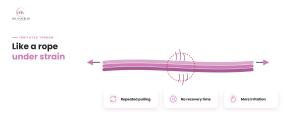
Over time, you may start using your shoulder less because moving it hurts. That sounds like a way to protect yourself, right? But avoiding movement for too long can also make your shoulder stiff and weak. Then, weaker muscles may struggle to support the joint, making everyday movements uncomfortable all over again.

Research has also looked at how rotator cuff tears can change over time. A late-2024 systematic review in JBJS Open Access examined 21 studies involving 1,831 tears. It found that partial-thickness tears progressed in about 27% of cases over an average of 2.2 years, while full-thickness tears progressed in about 55% over an average of 3 years, as reported by the review’s authors.

These findings don’t mean every shoulder tear will get worse or become painful. The studies measured tear progression differently, and a larger tear doesn’t always cause more pain. Still, delaying care when your shoulder keeps getting worse isn’t a good idea. especially when simple tasks are becoming harder than they used to be.
5 Reasons Shoulder Pain May Become More Severe Over Time
Shoulder pain doesn’t always become worse because of one major injury. Sometimes, it’s the same small movement repeated hundreds of times, poor recovery or muscles that aren’t supporting the joint properly. These little problems can build up quietly until your shoulder starts struggling with everyday activities.
So, why might that pain keep increasing instead of settling down? These are 5 common reasons that may explain what’s happening:

- Repetitive Shoulder Strain: Everyday movements like typing, lifting, reaching or throwing repeatedly put pressure on an already sensitive shoulder, leaving little time to recover.
- Ongoing Tendon Irritation: Irritated tendons may become more sensitive over time, making even simple movements uncomfortable.
- Inadequate Recovery: Returning to exercise too quickly or stopping rehabilitation early may leave your shoulder weaker than it needs to be.
- Progressive Tissue Damage: Small tendon injuries may worsen when the shoulder continues handling more stress than it can comfortably manage.
- Compensatory Movement Patterns: Raising your shoulder, leaning sideways or relying on your other arm may shift pressure towards your neck, upper back or opposite shoulder.
How Untreated Rotator Cuff Problems Affect Shoulder Function
The rotator cuff helps keep your shoulder joint steady while your arm moves. It consists of 4 muscles and their tendons that support the joint and help you lift and rotate your arm. When these tissues become irritated or weak, everyday movements may no longer feel as easy or smooth.
At first, you might not notice a major change. Maybe your arm feels tired sooner, lifting something feels heavier, or reaching overhead takes more effort than before. These small changes can gradually become frustrating. especially when you don’t understand why your shoulder isn’t working like it used to.
As rotator cuff problems continue, you may start noticing changes in how your arm moves and what you can comfortably do. Here are some common ways shoulder function may be affected:

- Tendon Weakness: Irritated or strained tendons may struggle to handle everyday movements, making simple activities feel tiring.
- Reduced Arm Strength: Carrying groceries, lifting bags or picking up a child may feel harder because your shoulder isn’t supporting the movement properly.
- Limited Overhead Movement: Reaching a high shelf or washing your hair may become uncomfortable, or you may struggle to lift your arm fully.
- Pain During Rotation: Turning your arm inward or outward, such as when putting on a jacket or throwing a ball, may cause aching or sharp pain.
- Difficulty Reaching Behind: Tucking in your shirt, reaching into a back pocket or fastening clothing may become awkward.
- Decreased Joint Stability: Your shoulder may feel weak, unsteady or as if it could give way when carrying something or moving quickly.
5 Everyday Activities That Can Become Difficult With Persistent Shoulder Pain
Shoulder pain doesn’t always show up when you’re lifting weights or doing something physically demanding. Sometimes, it’s brushing your hair, reaching into a cupboard or trying to sleep comfortably that reminds you something isn’t right. When these small tasks become painful, daily life can feel much harder.
You may start changing your routine without even thinking about it. using your other arm, avoiding certain movements or asking someone else to reach things for you. Let’s look at 5 everyday situations where persistent shoulder pain can make things difficult.

1. Personal Care
Getting dressed, brushing your hair, washing your back and fastening your clothes all require your shoulder to move in different directions. When the joint becomes painful or stiff, these familiar routines may take longer than usual and leave you feeling frustrated.
You might notice these changes during your daily personal care routine:
- Putting on a shirt or jacket may hurt, particularly when moving your injured arm into the sleeve.
- Brushing or styling your hair may become uncomfortable when you lift your arm overhead.
- Reaching behind your back to wash or fasten clothing may feel restricted or painful.
- You may start avoiding certain clothes or routines because they require movements your shoulder doesn’t like.
2. Household Activities
Household chores involve more shoulder movement than you might realise. Reaching shelves, carrying laundry, cleaning surfaces and lifting groceries all place demands on your arm. When your shoulder is already irritated, doing these tasks repeatedly may increase discomfort throughout the day.
You may find that some familiar household tasks become harder to manage, such as:
- Reaching into high cupboards or shelves may leave your shoulder aching or feeling tired.
- Carrying groceries, laundry baskets or bags may cause discomfort or weakness.
- Vacuuming, sweeping or mopping may trigger a dull ache that lingers afterwards.
- Lifting or holding small children may feel uncomfortable or less secure than before.
3. Work and Physical Activities
Your shoulder plays a role in almost every type of work. whether you’re sitting at a desk, lifting boxes, working with tools or exercising at the gym. When pain sticks around, it may affect how comfortably you work, how long you stay active and how much effort simple tasks require.
If your job or hobbies involve repeated shoulder movements, you may notice some of these difficulties:
- Typing or using a mouse for long periods may increase shoulder and neck tension.
- Repeated reaching or lifting overhead may become tiring and uncomfortable.
- Swimming, throwing, racquet sports or weight training may feel weaker or more painful.
- You may change how you move without noticing, sometimes placing extra pressure on other muscles.
If shoulder discomfort is also affecting your ability to stay active, our sports injury treatment approach may help you understand how movement-based rehabilitation supports recovery.
4. Sleep and Rest
Shoulder pain can make getting a night’s sleep surprisingly difficult. You may feel comfortable when you first lie down, only to wake up when you roll onto the sore side. Over time, interrupted sleep can leave you tired, irritated and less able to manage discomfort during the day.
Nighttime pain is also common in people with rotator cuff problems. A 2025 study in Genel Tıp Dergisi describes nocturnal pain as common in people with rotator cuff disease and one of the main reasons they seek medical care.

When shoulder pain starts affecting your rest, you may notice:
- Lying on your injured shoulder becomes uncomfortable or impossible.
- You wake up several times during the night because of aching.
- Poor sleep leaves you feeling tired and may make the pain harder to manage.
- Your shoulder feels stiff in the morning, especially before you’ve moved around.
5. Driving and Getting Around
Driving involves plenty of shoulder movement. turning the steering wheel, reaching for your seatbelt, checking blind spots and reversing all require your arm to move comfortably. When your shoulder is stiff or painful, even a short trip may leave it feeling tired or irritated.
You may notice some of these problems while driving or travelling:
- Turning the steering wheel may cause aching or pulling around your shoulder.
- Reaching for the seatbelt or glove compartment may feel uncomfortable.
- Turning to look behind you while reversing may become difficult.
- Longer drives may leave your shoulder sore, especially when your arm stays in one position for too long.
Signs That Shoulder Pain May Be Progressing Beyond Initial Discomfort
Shoulder pain that keeps returning, becomes stronger or starts affecting your movement may be more than temporary soreness. Minor aches sometimes settle within a few days or weeks, but pain that doesn’t improve deserves attention. especially when you’re changing your routine to avoid it.
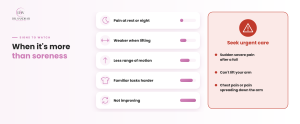
So, how do you know when your shoulder needs more than rest? These are some signs worth paying attention to. If you experience sudden severe pain after a fall, cannot lift your arm, or have chest pain or pain spreading down your arm, seek urgent medical care.
- Pain During Rest or Nighttime: Your shoulder aches even when you’re resting, particularly when you’re trying to sleep.
- Increasing Weakness When Lifting Your Arm: Raising your arm feels harder than before, or you struggle with things you could lift easily a few weeks ago.
- Reduced Range of Motion: Reaching overhead or behind your back becomes increasingly difficult because your shoulder feels stiff or restricted.
- Difficulty Performing Familiar Movements: Everyday tasks like washing your hair, getting dressed or reaching for something suddenly require more effort.
- Persistent Pain Despite Activity Modification: You’ve already reduced activities that aggravate your shoulder, but the pain keeps returning or isn’t improving.
How Early Assessment Helps Address Shoulder Pain Before It Progresses
Getting your shoulder checked early can help you understand what’s causing the pain and what you can do about it. Early assessment isn’t about assuming the worst. it’s about finding the problem before it starts affecting more of your everyday life.
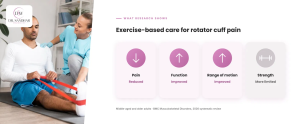
Research also supports exercise-based care for rotator cuff-related shoulder pain. A 2026 systematic review in BMC Musculoskeletal Disorders found that exercise-based interventions reduced pain and improved function and range of motion in middle-aged and older adults, although improvements in strength were more limited. This highlights why recovery may need more than a basic exercise routine.
An early assessment can help you understand what’s happening and give you a clearer path forward. Depending on your symptoms, it may include:
- Finding the Pain Patterns: Discussing your work, daily routine and activities can help identify movements that trigger or worsen your shoulder pain.
- A Detailed Look at Your Movement: Checking how your shoulder lifts, rotates and stays steady, along with your posture, helps identify movement problems.
- Personalized Treatment: Your plan may include manual therapy, myofascial release, corrective exercises, mobility work and postural rebalancing, depending on your needs.
- Strength and Stability Rebuilding: Gradually strengthening the muscles that support your shoulder can help improve control and make everyday movements easier.
- Ongoing Support at Home: Simple changes to your routine and home exercises help you continue making progress between appointments instead of repeatedly starting over.

Book Your Professional Shoulder Pain Treatment Consultation With Dr. Sandhar Wellness Today!
If your shoulder has been bothering you for weeks and you’re constantly finding ways to work around it, you don’t have to keep putting up with it. At Dr. Sandhar Wellness in Brampton, shoulder treatment is tailored to your symptoms, movement limitations and recovery goals.
Your sessions begin with an assessment of your shoulder movement and posture to understand what’s contributing to your discomfort. Treatment may include hands-on techniques to ease tightness, exercises to improve strength and movement, and gradual changes as your shoulder starts responding. Everything is adjusted to your comfort and recovery needs.
You don’t have to wait until reaching, lifting or sleeping becomes a daily struggle. If your shoulder isn’t improving, book your free consultation with Dr. Sandhar Wellness. Find out what’s behind the pain and start working towards more comfortable movement.
Frequently Asked Questions (FAQs)
Q1. How long does it take for shoulder pain to heal?
Recovery depends on what’s causing the pain and how serious the problem is. Mild irritation may settle within a few weeks, while tendon injuries or tears can take longer. Getting assessed early and following a suitable recovery plan may help.
Q2. Can a rotator cuff injury heal on its own?
Minor strains may improve with rest and gentle movement, but larger tears may not heal on their own. If your pain keeps returning, lasts more than a couple of weeks or affects your movement, getting your shoulder checked is a good idea.
Q3. Is it okay to keep exercising with shoulder pain?
Gentle movement may help, but pushing through sharp or worsening pain can make things harder. You may need to change exercises, avoid heavy overhead lifting or reduce activity until you understand what’s causing the discomfort.
Q4. When should I see a professional about shoulder pain?
Consider getting an assessment if your pain lasts more than a couple of weeks, disturbs your sleep, or affects your strength or movement. Sudden severe pain, an inability to lift your arm or chest pain with arm discomfort needs urgent medical attention.