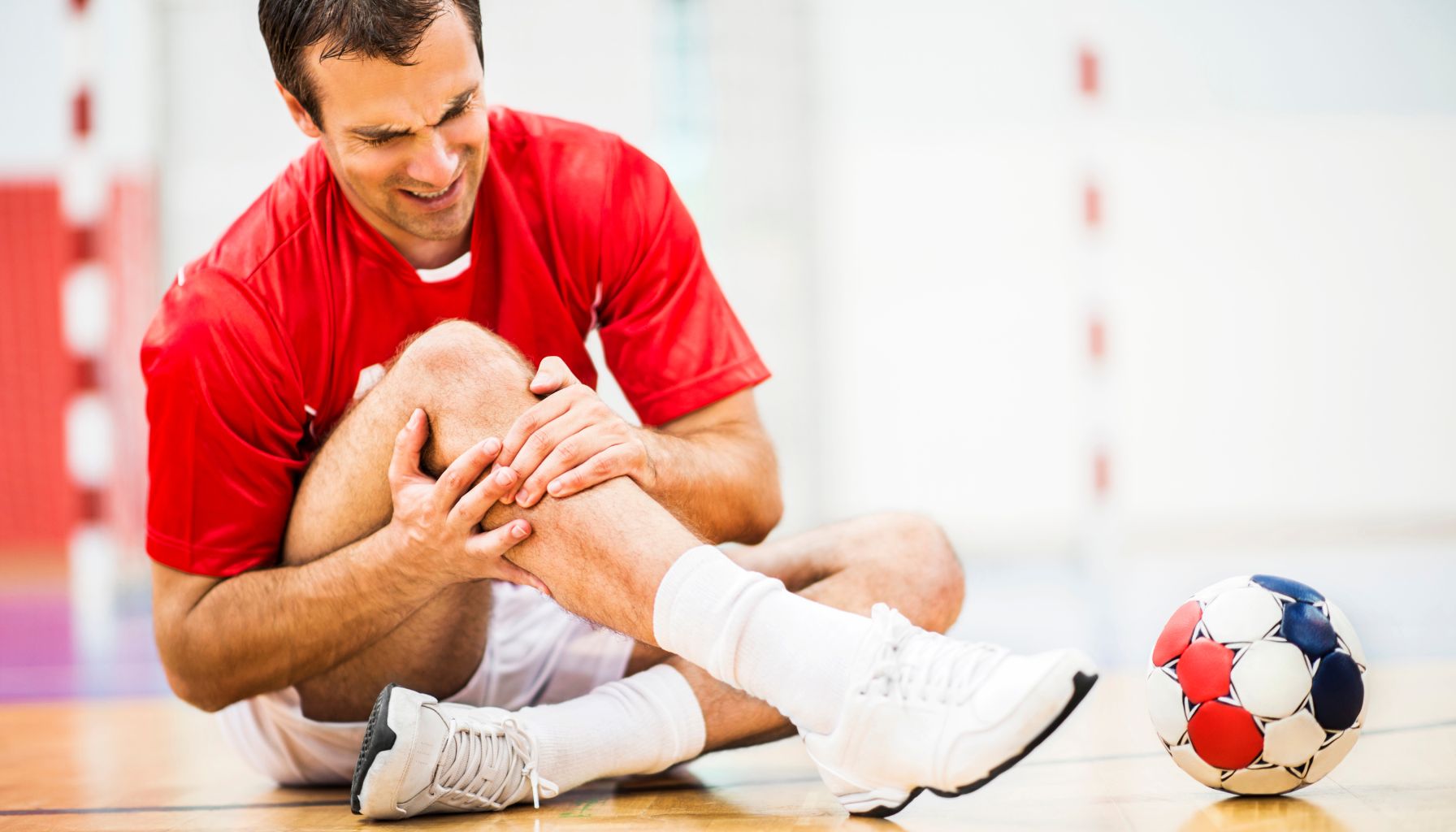
If you’re an athlete, there’s always a chance of getting hurt. Sports injuries are very common among people who train or play regularly. In just a moment, you can twist an ankle, pull a muscle, or strain during a match.
You often don’t stop when pain starts. You convince yourself it’s nothing serious and keep playing through it. That mindset is normal in sports, but it slowly turns a minor issue into something more painful and harder to recover from later.
When you ignore early warning signs, your body doesn’t heal the way it should. What could have been a short recovery can turn into weeks of rest. So, this guide will help you understand the importance of paying attention early and help you avoid injury and stay in the game longer.
Not Every Sports Injury Requires Immediate Medical Care
After an intense exercise, a sore joint is not necessarily an injury. It is generally a post-exertion muscle recovery period. This is a normal type of pain that will happen and it typically heals within 1-2 days as the body gets used to the physical stress.
Initially, it is somewhat similar to a small strain. While you may experience tightness or some mild pull in the muscle, if there is no severe pain or swelling, rest and ice usually is all that it takes for the body to heal itself. These minor problems resolve themselves as the muscles heal.
The difference becomes apparent when you look for the signs. A real injury typically causes acute pain, swelling, or a loss in the normal function of the affected area, such as not being able to bear weight. If it doesn’t get better after you get some rest, it’s telling you that now it needs proper sports injury care.
6 Common Sports Injuries That Athletes Experience
Active people often face a few common injuries again and again, no matter which sport they play. Understanding them early can help you notice small discomfort before it turns into a bigger problem.
- Sprains and strains: This occurs when the muscle or ligament is stretched or torn beyond its limit.
- Knee injuries: The knee is subjected to a lot of pressure when running, jumping and turning around during the game.
- Rotator cuff injuries: Throwing or swimming over and over slowly wears down the shoulder’s tendons.
- Tendon injuries: Tendinitis builds up gradually from doing the same repetitive movement again and again.
- Ankle injuries: Rolling or twisting your ankle is one of the most common injuries in any sport.
- Lower back injuries: Bad lifting form or excessive twisting places heavy strain on your lower back.
7 Indications That You Need Professional Treatment for Your Sports Injury
Some sports injuries don’t improve with rest and can get worse over time if they are not treated properly. That’s why it’s important to recognize the warning signs early. If your injury is more serious, you should seek professional treatment if you experience any of the 7 following signs:
1. Persistent Pain That Doesn’t Improve With Rest
If the pain is expected to get better in a couple of days but lasts longer than a week, it’s likely something more serious is going on. It usually means rest alone isn’t enough, even if the area looks normal and nothing seems serious on the surface. In these situations, you might experience:
- Pain that is not improved after 7 to 10 days.
- An increasing, unrelenting pain that does not improve over time.
- Recurrent pain that comes back instantly once you begin to move again.
- A subtle ache that escalates to a sharp pain.
2. Swelling That Continues or Keeps Returning
Swelling that doesn’t go down or keeps coming back after activity usually means inflammation is still active in the area. It will indicate that the body is still responding to an injury and it is necessary to provide proper care. When this happens, you might experience:
- Swelling that is still present after 72 hours.
- Puffiness that returns even with light activity.
- The area feels warm or hot to touch.
- Swelling that hurts or feels tender when pressed.
3. Limited Range of Motion or Joint Stiffness
A joint that doesn’t move the way it normally should is more than just normal tightness. It often signals that something inside the joint is restricted or slightly damaged and this kind of issue usually doesn’t improve fully without proper care. In such cases, you may notice
- Difficulty in bending and straightening the joint completely.
- Stiffness that doesn’t ease even after gentle movement.
- One side being distinctly different from the other.
- The joint feels like it catches, sticks, or locks during movement.
4. Weakness, Instability, or Loss of Performance
A weak limb or an unstable joint is a sign that your body isn’t supporting movement as it should. This type of fatigue is not a normal tiredness and usually does not get better on its own and you might experience:
- A limb that feels weaker than before.
- A joint that feels wobbly or loose under stress.
- A sudden decrease in speed, power, or performance.
- An inability to control movements that were once smooth and easy to perform.
5. Pain That Interferes With Daily Activities
Once pain starts affecting everyday activities like walking, sleeping, or movement, it is no longer a minor issue. It indicates that your body requires more than rest and can make the situation worse later. In these instances, you might observe:
- Difficulty getting up stairs or standing.
- Lack of sleep due to discomfort.
- Trouble with basic activities such as carrying something.
- Avoiding certain movements to prevent pain.
6. Numbness, Tingling, or Radiating Pain
If the numbness or tingling spreads away from the site of the injury, it may be a sign that a nerve is affected. They typically do not go away with sleep and may indicate that the nerve may need to be addressed properly by a professional soon, including:
- Tingling or a pins-and-needles feeling in the hands or feet.
- Radiating pain in the arm or leg.
- A stinging or electric-type sensation close to the injury.
- Numbness that lasts for more than a day.
7. Reinjuring the Same Area Repeatedly
When the same area is injured over and over again, even when it seemed to heal, it typically indicates that the first injury did not heal properly. This should not be ignored because repeated injuries will often require proper treatment to heal fully, including:
- A second or subsequent injury to the same part of the body.
- Needing more recovery time with each new injury.
- A constant feeling that the area was never fully normal again.
- Getting injured again even with less force than before.
According to Statistics Canada, sports and exercise cause about 35% of reported injuries in the country and nearly half of injuries in working-age adults are due to sports and work. This shows many people keep pushing through pain instead of stopping it early.
4 Reasons Why Early Treatment Often Leads to Better Recovery Outcomes
Relying on an injury to heal itself is not effective. Getting help early can improve how quickly and how fully you recover, because your body heals faster when it receives the proper help at the right time, including:
- Preventing compensation injuries: Not placing more stress on another part of the body from overusing one side.
- Supporting proper healing: Aiding tissues to heal in proper alignment and preventing stiffness afterwards.
- Restoring mobility and function: Improving mobility and strength sooner than with rest.
- Returning to activity safely: Ensuring you return only when your body is truly ready, not just when pain feels better.
Take Care of Your Sports Injury by Consulting a Professional Today!
Your body sends signals for a reason. If pain persists, swelling recurs, or the joint feels unstable, that is a sign that your injury might require more than rest. Failure to address these issues may prolong recovery and possibly lead to additional injuries. The right care at the right time can make a difference in providing:
- A clear diagnosis of what may be the problem.
- A treatment program designed based on your sport, body and objectives.
- A safer, quicker return to activities you enjoy.
You don’t have to manage this injury by yourself. Contact Dr Sandhar Wellness now to book an evaluation and get sports injury treatment. We will hear your needs and develop a unique treatment approach to help you recover and enjoy your life again.
Frequently Asked Questions (FAQs)
Q1. Should I continue exercising with a sports injury?
If the pain, swelling or instability persists, then continuing to exercise can make the problem worse. Routine activity is suitable for minor soreness but prolonged symptoms require rest and evaluation first.
Q2. Can untreated sports injuries become chronic?
Yes. Injuries that are not treated are likely to result in compensation patterns, incomplete healing and re-occurrence of problems that transform the injury into a chronic condition and therefore the treatment will be far more extensive than the injury itself.
Q3. How long should sports injury pain last?
Minor soreness typically heals within 48 to 72 hours. If the pain persists for more than a week or actually gets worse, there’s a more serious problem that should be evaluated by a professional.
Q4. How do I know if a sports injury is serious?
Sharp pain, swelling, joint instability, numbness, or weight-bearing that is different from normal are all indications that warrant further evaluation for a more serious injury.