
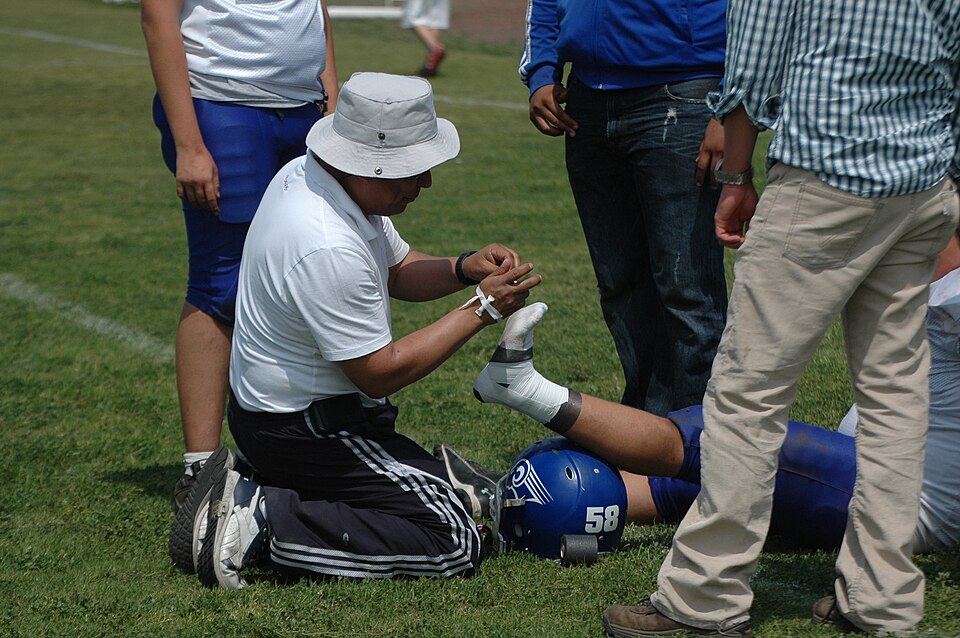
Staying active for health is so great, but sports injuries can really interrupt your overall well-being and drastically retards your progress.
They affect both athletes and active adults during training sessions, sports and regular movements, where persistent activities often lead to joint pain, muscle stiffness, sprains and strains. These issues are more associated with poor posture, muscle imbalances, overtraining, or skipping proper warm-ups, which eventually increase the chances of risk, injuries and reduce overall performance.
When injuries occur, they do not just cause pain but also limit mobility and make even simple daily activities difficult. Over time, this can affect consistency in fitness routines and overall physical confidence, making recovery an important part of staying active and maintaining long-term body strength and stability.
Sports Injuries Are More Common Than Most People Think
Most people think these sports injuries are mostly associated with professional athletes, but gym goers, casual players and recreational runners go through them as often. Frequent movement causes constant stress on joints, leading to muscle stiffness and muscle pain. This increases injury risk and retards the overall performance level.
When the same movements are repeated without enough rest or without proper recovery, this causes more stress to the body. This accumulates slowly and often goes unnoticed at first, reducing muscle movements and causing muscle imbalances with the passage of time. When pain starts to appear, the underlying damage is already present.
Research in the Canadian National Team shows that over 70% elite athletes face injuries in the ankle, frequent face injuries, shoulder and lower back. This highlights that injury isn’t related to fitness level, but constant movements and poor recovery habits play a crucial role in long-term physical health and performance.
What Causes Sports Injuries?
Most of the time, an injury doesn’t happen overnight. They slowly develop depending on your habits, which puts extra stress on your body. By the time pain appears, the cause has often been building for weeks. Knowing the reasons that cause injuries could prevent the body from persistent strain and stress exposures, and here is what consistently shows up:
- Poor warm-up routines
- Muscle imbalances and weak stabilisers
- Poor posture and biomechanics
- Improper training techniques
- Lack of flexibility and mobility
- Overtraining without recovery
- Wearing improper footwear
8 Most Common Sports Injuries in Active Adults and Athletes
Knowing which injuries cause the most issues can actually save you a lot of trouble. If you catch the early signs, you can deal with them before they turn into something bigger.
A study on Canada’s national athletes backs this up. Out of 171 athletes, 139 dealt with neck or back pain at some point. That’s most of them. And almost half were seeing a chiropractor regularly, not just when they got hurt, but to stay ahead of problems. These are the injuries that consistently show up across sports and active lifestyles:
- Sprains and strains: Pulled or torn muscles and ligaments. Ankles, knees, and wrists hurt the most most of the time.
- Knee injuries and meniscus tears: Cartilage damage in the knee from impact, twisting.
- Rotator cuff injuries: Shoulder pain and weakness. Comes from stuff like throwing, lifting overhead, or any repetitive arm work.
- Shin splints: That sharp pain down the inside of your shin. Usually shows up if you’re running or jumping on hard ground too much.
- Tennis elbow and golfer’s elbow: Elbow pain from doing the same motion over and over.
- Lower back injuries: Strain or disc trouble from lifting incorrectly, or sitting or standing in one position for too long.
- Ankle injuries: Sprains and strains happen when you step on rough ground, stop suddenly, or change direction fast.
- Shoulder instability: Happens with lots of overhead movement or from an old injury.
Warning Signs You Should Not Ignore Before an Injury Gets Worse
Most of the time, when early signs and symptoms appear, most people ignore these signals and struggle with the pain throughout. At this stage, a very small issue can turn into a bigger injury that takes months to recover from. If you notice these symptoms, it’s significant to pay attention to those:
- Persistent soreness: Muscle pain extending for 72 hours means your body hasn’t recovered properly between sessions.
- Reduced range of motion: Limited movement through a joint is a sign that tissue damage or inflammation is already present.
- Joint instability: A knee, ankle, or shoulder that feels wobbly needs more professional attention than ever before.
- Swelling and inflammation: Visible swelling or inflammation after heavy tasks or physical activity shouldn’t be left untreated.
- Sharp pain during movement: If something hurts while moving, stop immediately and resolve your issue first.
- Muscle tightness and stiffness: Ongoing tightness that doesn’t ease with normal scratching means something more is going on at the tissue level.
6 Injury Prevention Tips for Athletes and Active Adults
Staying free from injury isn’t a complex process; it’s just a need for simple strategies that keep you pain-free and prepare your body to cope with physical stress. When followed every week, these 6 habits reduce stress, increase mobility and stability. It also helps active adults stay strong, avoid setbacks and continue to train their bodies safely.
- Strength and conditioning
- Mobility routines
- Listening to early pain signals
- Gradual training progression
- Proper footwear and equipment
- Recovery scheduling
Learn How Professional Sports Injury Treatment Supports Fast Recovery and Performance!
If you’re dealing with a sports injury right now, waiting for it to heal is rarely the right call. The longer you leave it, the worse it would become, and the compensation patterns would become very painful compared to the original ones. Getting proper care can really affect how quickly and completely you recover.
Good sports injury treatment isn’t about concentrating on where it hurts. It is more focused on how your whole body moves, finds the root cause that actually causes injury, and treats it to the deepest levels so it can be eliminated throughout your body. So you can come stronger and more capable than before, not just pain-free for a few weeks.
At Dr Sandhar Wellness, we assist people in Brampton in recovering from injuries and support them with the long-term effects and the right care and treatment. Visit our sports injury treatment page and book your assessment today.
Frequently Asked Questions (FAQs)
Q1. Why are injuries becoming more common in sports?
Long training sessions, year-round sports participation, extended training sessions and poor recovery habits are the reasons that affect recreational athletes just as much as competitive ones.
Q2. What can athletes do to prevent injury?
Daily mobility work, consistent strength training, gradual load increases, and properly scheduled rest days are the habits that make a big difference when implemented.
Q3.What sport has the highest percentage of injuries?
Football and rugby report the highest injury rates, though running injuries are among the most common across recreational sports in Canada.
Q4. How do pro athletes recover so fast from injuries?
Early professional care, structured rehabilitation, and regular maintenance treatment keep their movement quality and overall body health at a consistently high level.