
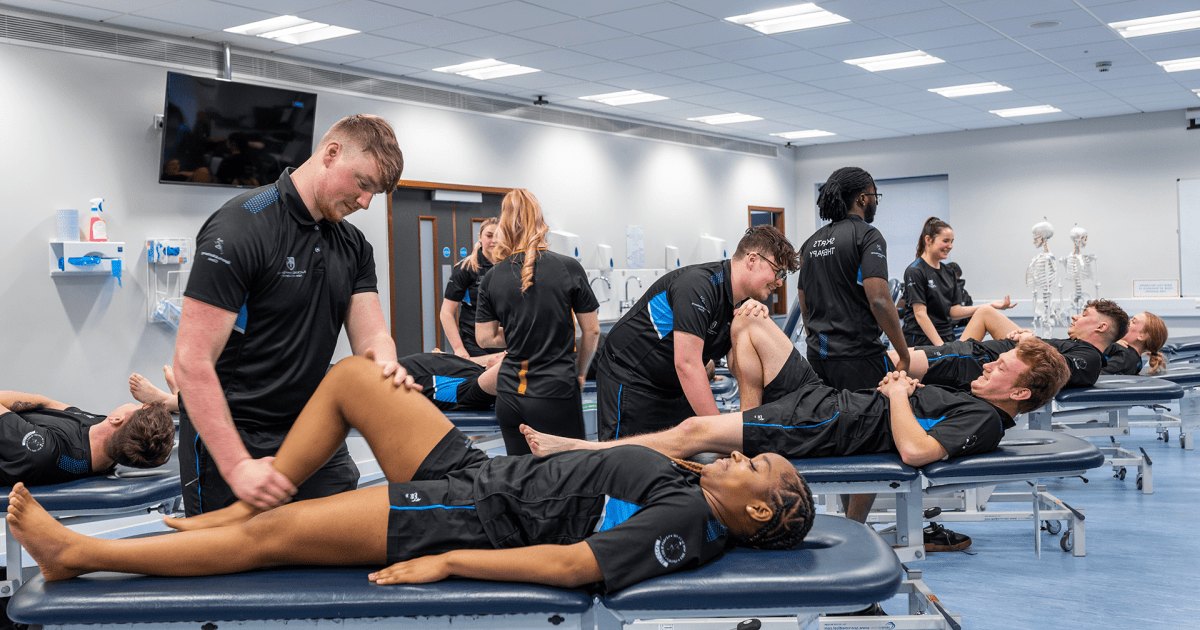
Imagine… actually not because we all experience this almost every other day…
You’re almost halfway through your second set of morning runs and all of the sudden…that nagging pinch in your shoulder pops up again. You pause for a second, stretch it out, and decide to push through it anyway, because skipping reps feels like giving up. You already know how this story goes… but driving through pain usually backfires.
As a matter of fact, the data from the U.S. Consumer Product Safety Commission shows that gym workouts and sports lead to millions of preventable medical visits every single year, mostly because people wait too long to deal with the warning signs. Additionally, the National Safety Council tracks these numbers every year and over 4.4 million people have ended up in the ER for sports related injuries…and a huge chunk of those cases actually started out as simple, ignored aches.
That cycle is hard to break if you’re relying on generic stretches you found online. That’s because real recovery comes down to having a recovery program designed around your actual body and your specific sport. Plus, a good sports therapist will never hand you a printed sheet of generic exercises as a cure for your pain. Depending on your mobility, past injuries and joint movements, they determine the root cause to ensure you stay off the sidelines for good.
So, that’s what we’re getting into…how a real plan gets built around your body, how it actually gets you back to your sport, and knowing when something’s off.
Why Active Adults May Need Personalized Sports Therapy
Think about what your body goes through in a typical week. On Tuesday night you’re sprinting across a court in a pickup hockey game, Thursday you’re under a heavy barbell at the gym, and by Friday morning you’re sitting at a desk for eight hours straight. If you’re expecting that a generic, 5 minute internet stretch routine will protect your joints from those completely different physical stresses is just not realistic… plus your body is quietly over compensating without you even realizing it.
Your training load changes the math, too. Prepping for a half-marathon puts an entirely different strain on your hips and tendons than benching three plates or playing weekend soccer. That’s why typical therapy programs usually miss the mark. On top of that, small movement limitations stay invisible until you push the pace and end up benched.
In fact, CDC health survey data highlights that nearly 10% of adults deal with repetitive strain injuries every year, and over 44% of those people get hit hard enough to stop normal daily activities. Moreover, clinical findings on sports injury mechanics point out that overexertion and starting activities at an intensity your body isn’t conditioned to are leading drivers of long term muscle strains and joint issues. That’s exactly why a real plan starts by looking at a few specific things about you, not a template pulled off a shelf.
5 Factors That Shape an Individual Sports Therapy Plan
Once you realize how much your daily routines, past injuries, and training habits impact your body, it becomes obvious why off the shelf recovery plans fall flat. Healing isn’t a straight line, and taking an ache out of your shoulder or knee requires stepping back to look at the entire picture. In fact, research published in sports medicine journals confirms that a muscle strength asymmetry of just 10% to 15% between limbs significantly increases your risk of repeat overuse injuries.
Rather than picking a single quick fix off a menu, a personalized plan works by tying together everything and below are the five specific factors that dictate how your body actually adapts and recovers.
- Exact Nature Of The Injury: Treating an acute ligament sprain requires a totally different roadmap than dealing with chronic tendinitis that’s been brewing for six months.
- Your Weekly Training Volume: Your rehab exercises need to match the actual physical demands of your week, whether you’re logging 30 miles on pavement or three days in the gym.
- Movement Quality Over Quick Fixes: Finding out why a joint is taking too much pressure like poor hip control during a stride, is the key to staying healthy long-term.
- Addressing Strength Imbalances: Studies tracking athletic injuries show that side-to-side strength disparities frequently force one side of the body to absorb double the impact, setting you up for repeat setbacks.
- Defining Clear Recovery Targets: Rehabilitation isn’t finished when the pain stops… it’s actually completed when your body can handle the movements with intensity that your life requires.
How Sports Therapy Addresses Mobility, Strength, and Stability
If you’ve ever tried to power through a workout with a stiff joint, you already know how quickly your body tries to cheat the movement. Joints work like a chain reaction… When your ankle or hip loses its full range of motion, the knee right next to it has to twist and absorb double the impact to make up for it. That kind of quiet compensation is usually how a minor tightness turns into a brand new injury somewhere else.
That’s precisely why a targeted sports therapy program focuses on restoring full joint range of motion first, because trying to strengthen a joint that can’t even open or rotate properly is a recipe for frustration. Once mobility is restored, the next challenge is rebuilding the functional muscle, joint stability and neuromuscular control.
This becomes increasingly vital as we get older as inactive adults can lose up to 5% of their muscle mass every decade past 30, leaving joints far more vulnerable to everyday wear and tear. Rebuilding that lost muscle tissue restores your body’s natural shock absorbers, but true protection requires dynamic stability and balance. Weak balance isn’t just an athletic concern… as CDC reports that over 3 million emergency room visits annually are due to fall-related injuries.
This highlights just how quickly poor stability can impact your life and why mastering movement control ensures that your joints will be able to handle every unexpected twist, heavy load and even late night workout fatigue.
How Personalized Therapy Can Support a Safer Return to Activity
When you love staying active, sitting out with an injury is pure torture. The moment the daily pain fades, there’s an urge to jump right back into your normal routine and it’s almost impossible to resist. But confusing “it doesn’t hurt right now” with “my body is fully healed” is a trap almost every lifter and runner falls into at least once.
That’s really where a personalized therapy plan saves you from yourself. Instead of letting you throw caution to the wind, it walks you through a realistic step-by-step progression that gradually adds load to your joints, allowing them to get stronger, rather than snapping the minute you push the pace. This objective approach to recovery isn’t just a good idea, it’s clinically proven to keep you safe. Clinical research published demonstrates that meeting specific, functional benchmarks before resuming full athletic activity dramatically lowers the risk of secondary injuries. Building physical strength and mental trust go hand in hand during this phase.
Additionally, subconsciously holding back during a sprint or lift is pretty dangerous. When you hesitate just a fraction of a second during a jump, that tiny hesitation puts unexpected stress on a completely healthy joint. And that’s why personalized sports therapy programs embed reinjury prevention strategies directly into every single session, delivering physical durability and the psychological trust you need to perform at your best.
6 Signs Your Sports Therapy Program May Need to Be Adjusted
Healing isn’t a straight, smooth line, and your therapy plan shouldn’t be carved in stone either. As you get back into moving, your body is constantly dropping hints about what’s working and what’s just pissing your joints off. If something feels wrong, asking your therapist to change things up isn’t a setback…it’s just listening to your body and training smart.
Keep an eye out for these 6 signs which usually mean it is time to tweak your routine or have a conversation with your therapist:
- Persistent, Unchanged Pain: Discomfort that lingers long after a session without showing any real signs of tapering off.
- Range Of Motion That Hits A Dead End: Stiff joints that stop making progress, leaving you stuck well short of your full movement goals.
- Unbalanced Side-To-Side Strength: Noticing your dominant or healthy side still carrying almost all the weight during basic exercises.
- Losing Control When You Get Tired: Feeling your technique sloppy or unsteady the moment fatigue starts creeping into a set.
- Hitting An Unexpected Wall: Finding yourself overwhelmed by routine rehab drills that should feel manageable by now.
- The Boomerang Effect: Watching the exact same pain or tightness return every time you think you’ve finally moved past it.
Check Out How Personalized Sports Therapy Can Support Your Return to Active Living!
Here’s the honest truth about recovery… you can’t just grit your teeth and wait around hoping an injury magically fixes itself. In fact, real, lasting healing happens when someone actually takes the time to look at your body, your specific sport, and what you’re trying to get back to. That’s not all, then comes the process of building a custom plan around your life instead of handing you a generic checklist off the internet.
That exact personalized approach is at the core of how things happen at Dr Sandhar Wellness. They don’t believe in static, cookie-cutter sport recovery programs. Every single path starts with a deep dive into your injury history, your daily activity level, and where your movement is slipping, while continuously tweaking your program as your joints strengthen. In general, they focus on:
- A thorough initial assessment of your sport, past injuries, and actual movement mechanics
- A plan built around your personal strength, mobility, and specific fitness goals
- Ongoing, real time adjustments that evolve alongside your body’s weekly progress
- Focused injury prevention so you can stay active without constantly worrying about a flare-up
Still dealing with a nagging pain or an old injury that just won’t let go? This is your sign to check out their specialized sports injury treatment program in Brampton which will let you get back to the activities you love, safely, effectively, and without rushing. So, what are you waiting for, reach out to them today!
Frequently Asked Questions (FAQs)
Q1. What is sports therapy?
Sports therapy is physical therapy built specifically for people who train, play, or compete. Think injury treatment, movement assessments, and the strength work that actually gets you back to your sport, not just back to walking around pain free.
Q2. Why would a person need physical therapy?
Honestly, it’s usually pain that won’t quit, an old injury acting up, or just not moving the way you used to. A good physical therapist does not just chase the symptom either. They dig into what’s actually causing it and build something that keeps it from coming back.
Q3. Why do people like physical therapy?
Mostly because it works, and you can feel it working. Less pain, better movement, more trust in your own body again. There’s also something to be said for having a real person look at your specific issue instead of just blindly following what everyone else does.
Q4. How can physical therapy make a difference?
Yes, because it gets to the root cause of why you got hurt in the first place. It fixes the muscle gaps and movement flaws instead of just masking the pain. Plus, it rebuilds joint stability that keeps you moving ahead and stops small aches from turning into major setbacks down the road.