
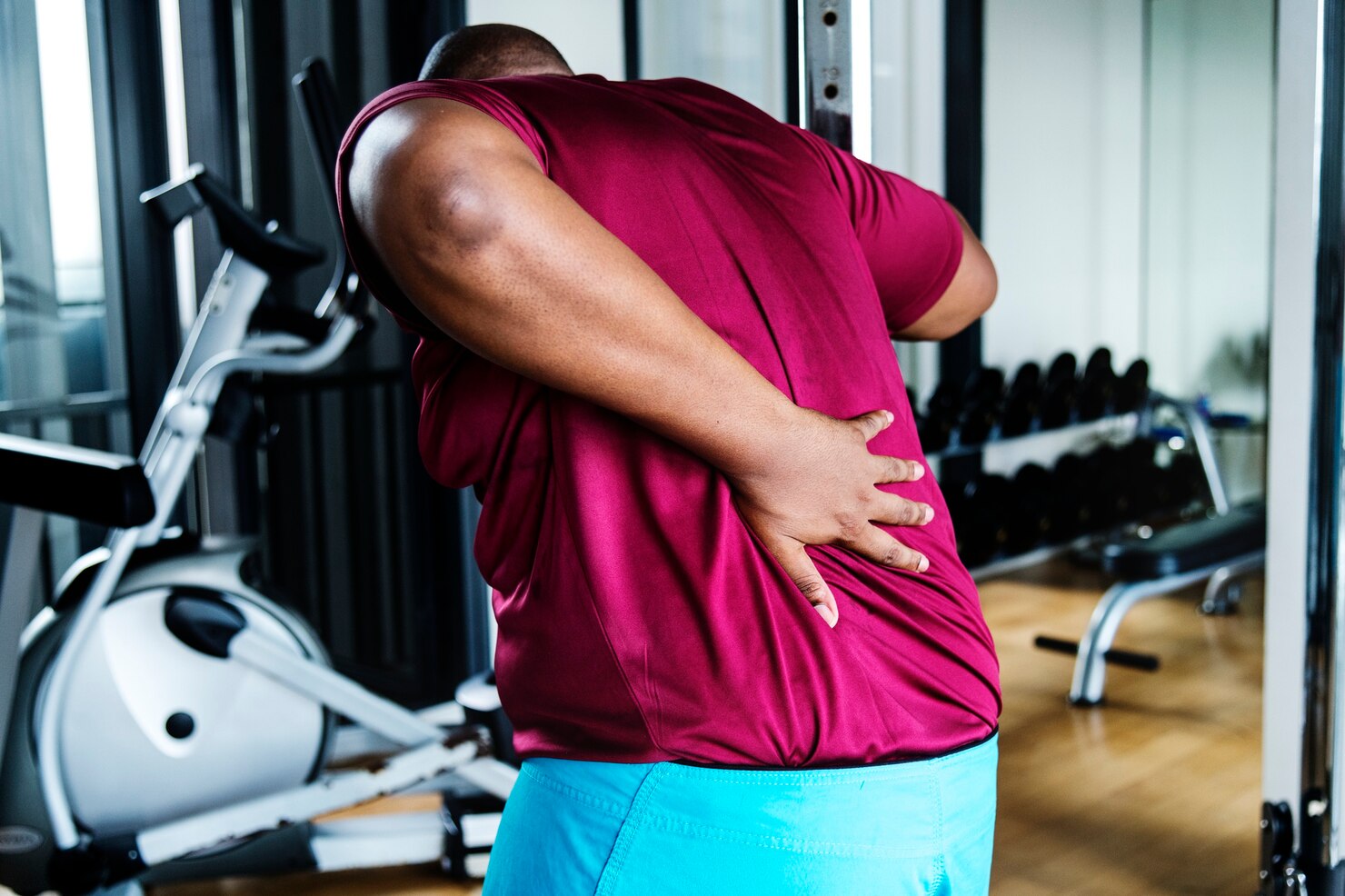
You might lift heavy, but are you moving correctly? Strength alone won’t keep you injury-free when speed, impact and sudden load all act at once. Still, many athletes lift heavy and improve their sprint time, then forget how to maintain form under pressure (when movement quality matters).
This is where poor posture comes in. It influences balance, mobility, stability and the way force travels through every joint. In fact, poor posture affects athletes across nearly every sport and skill level. From runners and gym-goers to CrossFit athletes, tennis players and youth athletes, its impact on performance and injury risk is significant.
That’s why proper sports injury treatment helps improve injuries that training alone can’t.
What Does Good Posture Mean During Sports and Exercise?
Good posture during sport means balancing your body so that joints move freely, force is distributed evenly and your spine stays protected through static positions and dynamic movement. In this context, static posture refers to how you stand or sit at rest while dynamic posture refers to how you balance yourself during athletic activity. In practice, most athletes’ posture appears fine until their form breaks the second their bodies are placed under pressure.
Your spine should stay aligned in a neutral position, with the head in line with the shoulders, hips above the knees and weight evenly distributed through both feet. Joint positioning matters too – as the shoulders, hips and knees should stay aligned so each muscle pulls at its proper angle. However, maintaining this alignment isn’t always easy during sport. As muscles tire, breathing patterns change and quick direction changes occur, posture can break down and throw the body off balance.
How Poor Posture Can Affect Athletic Performance
Poor posture during sport reduces movement efficiency, fatigues muscles faster, limits how far joints can move, weakens balance and reduces how much power you produce. The result is a body that tires more quickly. When you slouch through a lift or run with rounded shoulders, your muscles don’t activate in the right sequence. This means joints absorb stress they are not meant to handle. And over time, form deteriorates during the session.
This deterioration in form increases the risk of injury. And research supports this as well. The National Institute of Arthritis and Musculoskeletal and Skin Diseases lists improper exercise techniques as a risk factor for sports injuries. Poor posture also reduces power output. In fact, tilted hips and a forward pelvis restrict your glute and core movement so your sprint, jump and swing all lose power. For this reason, proper sports injury treatment helps identify these weak areas before they affect performance or lead to missed training.
6 Common Sports Injuries That May Be Associated With Poor Movement Mechanics
Six common sports injuries tied to poor movement mechanics include rotator cuff strains, meniscus tears, lower back pain, achilles tendon problems, shin splints and hip discomfort. Each appears when posture, balance or joint positioning fails under physical stress. Below are 6 injuries athletes face most often:
- Rotator cuff injuries: Rounded shoulders compress the cuff during overhead lifts, swings and throwing.
- Knee injuries and meniscus tears: Hip tilt or knee collapse during landing puts extra force on the meniscus which is not designed to handle it.
- Lower back pain: A weak core and tilted pelvis place extra strain on the lower back during each rep or twist.
- Achilles tendon problems: A forward head posture and stiff ankles affect how you move off the ground – putting extra load on the Achilles tendon
- Shin splints: Heel-heavy running with collapsed arches sends repeated impact through the shin bone (tibia).
- Hip discomfort: Tight hip flexors and a tilted pelvis put extra pressure on the hip joint during sudden direction changes and squats
When Persistent Pain or Recurring Injuries Require Evaluation
Persistent pain or repeated injuries should be evaluated if they keep returning even with training or if joints still hurt between sessions. In such cases, performance may decline and daily activities can become more difficult. That’s why booking sports injury treatment early can help prevent a small issue from becoming a major one. Here are 5 signs:
- Frequent injuries despite training: Minor strains and tweaks keep returning even when your warm-up, session and recovery look solid.
- Ongoing joint discomfort: Knees, shoulders or hips ache between sessions especially in the morning or after light activity.
- Reduced athletic performance: Stamina decreases, power declines and your usual training feels heavier than it should.
- Pain affecting daily activities: Walking up stairs, getting out of a car or sleeping on one side starts to hurt.
- Difficulty returning to sport: You feel weak or unsure when trying to match game intensity and confidence keeps fading.
Check Out How Professional Sports Injury Treatment Can Improve Movement Quality!
Professional sports injury treatment improves movement quality through hands-on assessment and movement-based therapy that addresses the root causes of poor posture. From there, a solid plan improves posture, restores joint range – and retrains how your body moves under load.
At Dr Sandhar Wellness, treatment starts with a full assessment of how you actually move, followed by manual therapy and movement-retraining exercises customized to your sport. The approach works for fresh sports injuries, chronic overuse and post-surgery recovery alike. Over time, your pain reduces and you become stronger, allowing you to match the game intensity.
Stop training around pain. Book a session and engage in any sports with confidence!
Frequently Asked Questions (FAQs)
Q1. Does fixing posture really lower sports injury risk?
Yes. Better posture distributes force evenly, protects joints and keeps muscles coordinated in the right order, all of which reduce the risk of injury.
Q2. How long does it take to fix poor posture for sport?
Most people see clear changes within 4 to 8 sessions – depending on the injury, type of sports (you play) and how often you follow your home exercise plan.
Q3. Can I keep training while I work on posture?
Yes, in most cases. Training adjustments keep you active while improving your posture and allowing the main issue to heal.
Q4. Do I need to be a competitive athlete to benefit from sports injury treatment?
Not at all. Proper posture and movement assessment benefits weekend players, gym-goers, runners, and active adults.